One of the first things homeowners ask is how long a home remodel takes, and the honest answer is that the timeline in Connecticut depends on the project. Here is how to plan realistically.
Category · FAQ
8 min read
Central CT
One of the first things homeowners ask is how long a home remodel takes, and the honest answer is that the timeline in Connecticut depends on the project. A bathroom refresh moves faster than a full kitchen, and a kitchen moves faster than finishing a whole basement or adding on. Still, that answer is not very helpful when you are trying to plan your life around a construction project. The truth is that most of the timeline is predictable once the scope is set, the materials are chosen, and the permits are in hand.
01 · Scope
It Depends on the Scope
The single biggest factor in your remodel timeline is how much you are changing. Cosmetic updates, like new finishes, paint, and fixtures in an existing layout, go quickly because nothing structural moves. The clock stretches when you change the layout, move plumbing or electrical, or take down walls, because that adds demolition, rough-in, inspections, and more finish work.
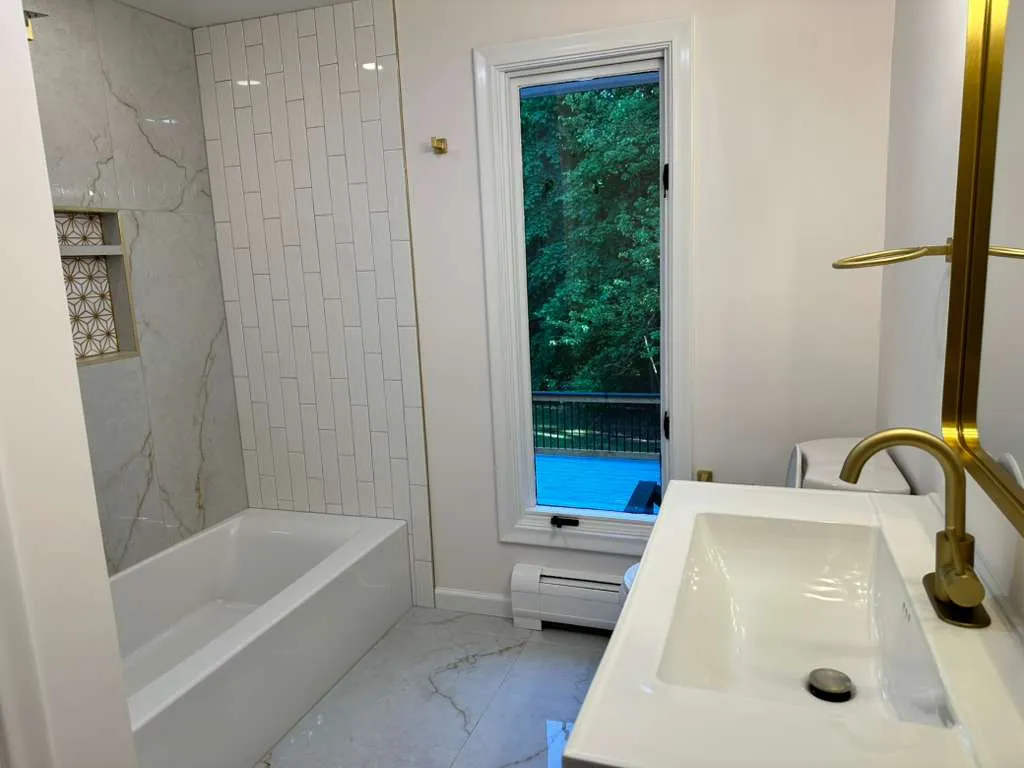
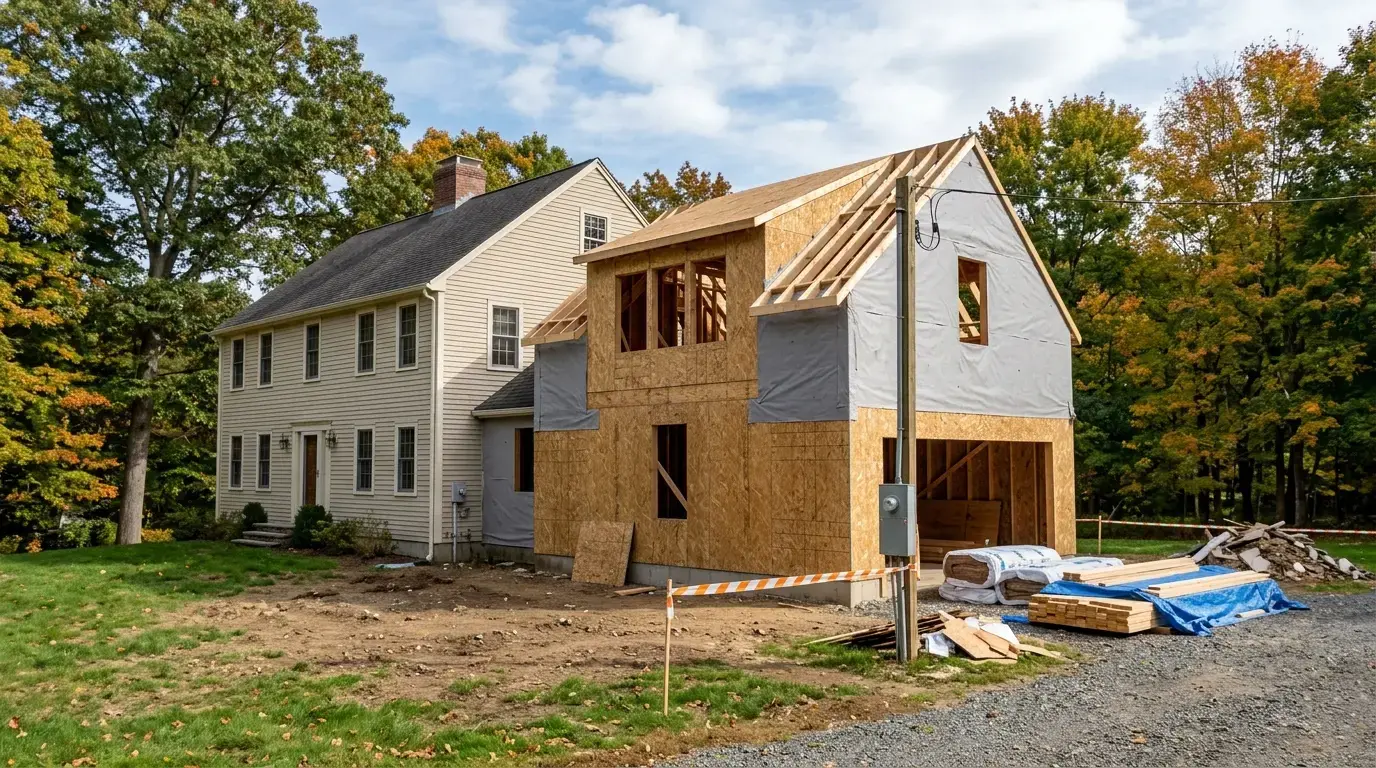
A small bathroom is usually the fastest room to remodel, a kitchen sits in the middle because of cabinets and appliances, and a full basement finish or addition takes the longest. Before we quote your Connecticut remodel, we map the scope in detail, so your timeline reflects the actual work, not a vague guess.
02 · Phases
The Typical Phases of a Remodel
Most remodels follow the same order, and understanding it helps the timeline make sense. First comes planning and the written estimate, then permitting where the work requires it. Next is demolition, followed by any framing and layout changes. Then the rough-in stage, where electrical, plumbing, and heating go in and get inspected.
After that come insulation and drywall, then the finish work, cabinets, flooring, tile, trim, and paint, and finally fixtures and a walkthrough. Each phase depends on the one before it, so the trades have to be sequenced cleanly to avoid downtime. When one team manages that sequence, the job keeps moving.
Lock in decisions early
The most common cause of Connecticut remodel delays is not permits or weather, it is mid-project changes. Pick your finishes, cabinets, and fixtures before demo starts, and the schedule stays on track.
03 · Factors
What Affects the Timeline
A few things reliably shift a remodel schedule. Permits and inspections add time, though a contractor who handles them keeps that predictable. Material lead times matter a lot, since custom cabinets, special-order tile, and certain fixtures can take weeks to arrive, so ordering early is key. Mid-project changes are the most common cause of delay, because every change ripples through the schedule and the budget.
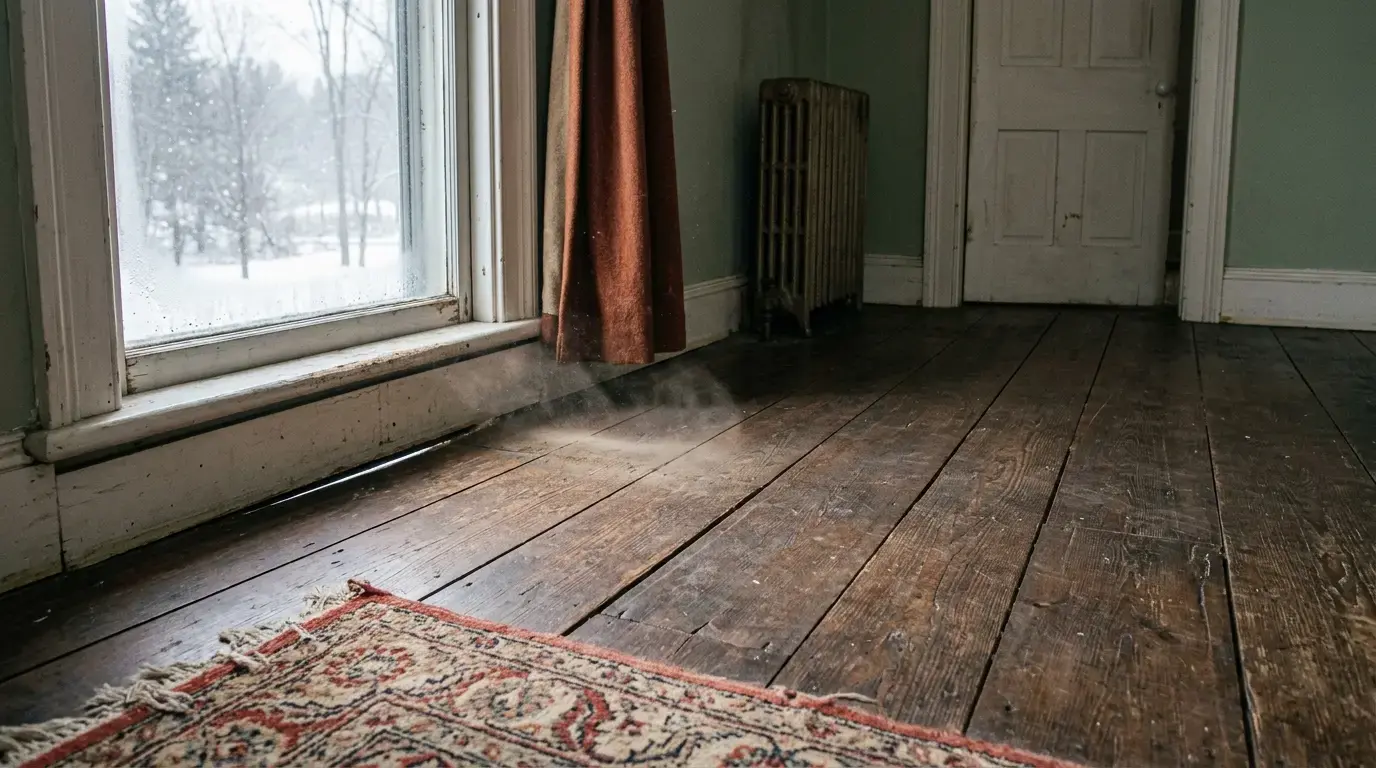
Hidden conditions, like old wiring, water damage, or surprises behind a wall, can add time in older Connecticut homes. And winter weather can affect exterior work and deliveries. None of these has to derail your project, but they explain why a clear plan and early decisions keep a remodel on track.
04 · Stay on Track
How to Keep Your Remodel on Schedule
The best way to keep a remodel moving is to lock in decisions early. Choose your finishes, fixtures, and materials before the work starts, and order the long-lead items right away. Agree on a detailed scope and estimate so everyone is building to the same plan, which cuts down on mid-project changes.
Hire a contractor who pulls the permits, sequences the trades, and communicates at each stage, so nothing sits waiting. When the plan is clear and the team is organized, a Connecticut home remodel runs close to schedule. Most delays trace back to a change or a missing decision, so get your free estimate and start with a solid plan.
FAQ
Frequently Asked Questions
A bathroom is usually the fastest room to remodel, since the space is small. The exact timeline depends on the scope, and we will give you a realistic schedule with your estimate.
Kitchens involve cabinets, appliances, plumbing, and electrical, plus more finish work. That is more phases and more coordination, so a kitchen naturally takes longer than a simple room.
Usually, yes. We seal off the work area and clean up as we go, so you can stay in the rest of your Connecticut home while we work on the project.
Mid-project changes and slow material orders are the biggest ones. Locking in decisions early and ordering long-lead items up front keeps your remodel timeline on track.
Interior work continues year-round, but winter can affect exterior work and deliveries. We plan around it so your Connecticut remodel keeps moving through the season.